Your cart is empty
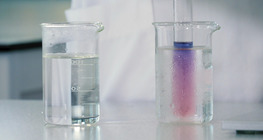
Change in the colour of the cobalt(II) chloride solution due to heating and cooling.
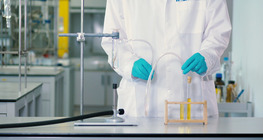
Ethylene, produced by the heating of polyethylene, changes the colour of bromine water.
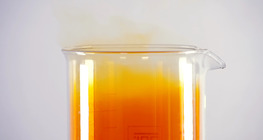
The halogens and the metals combine to produce bromides.
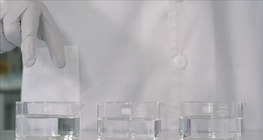
We observe whether a razor blade can float on the surface of different liquids.

A surprising phenomenon occurs when we hold a statically charged ruler near water flowing from a tap.
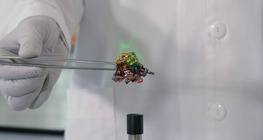
Examining the colour of a piece of copper when exposed to heat and then ethanol vapour.
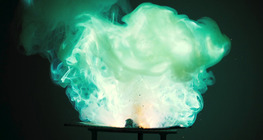
When heated, powdered sulphur reacts with powdered zinc, releasing heat.
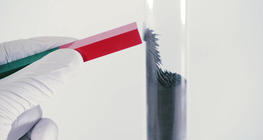
When two substances are heated, they combine to form a compound.
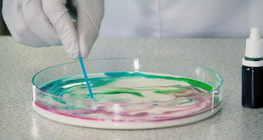
In this video we are experimenting with food colourings.

Horse chestnut trees in parks and on playgrounds are a sight to behold. They are native to southeastern Europe and Southwest Asia.

Barium hydroxide reacts with ammonium nitrate while absorbing heat from their surroundings.


Drinking water comes from surface and underground water sources. This is one of the reasons why you should not pollute the natural environment.

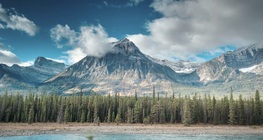
What can be done to reduce the rate at which our planet is being depleted of its forests?
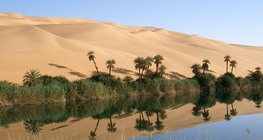
Within the lethal embrace of deserts, life can only flourish because of large springs. Here plants thrive, animals enjoy something to drink, caravans can have a rest and people too can develop their own way of life.

Living organisms are classified into various trophic levels based on the role they play in the food chain. This video presents these trophic levels.

A lot of people have certainly dreamt about winning the lottery. But how big is that chance? Let’s do some math!

An unbelievable story of a family that in the hope of a better life risked everything at the beginning of the 20th century.

Thanks to advances in medicine and our constantly deepening knowledge of biology, we are living longer and longer. But how long can we live?
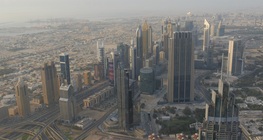
The United Arab Emirates is a federation of seven emirates established in 1971.

The duration of solar radiation, the angle of the Sun's rays and the surface albedo all have an effect on the extent of warming.
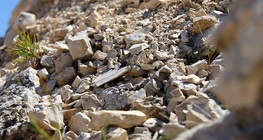
Upon physical weathering the rock only falls into pieces, whereas during chemical weathering its chemical structure changes too.