Your cart is empty
Total: 2576
/
2420
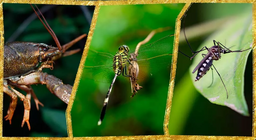
Arthropods can be found on shores, on the surface of waterbodies and underwater.

It is important to pay attention to each other, to learn about different, real-life situations and to know the reasons for those.
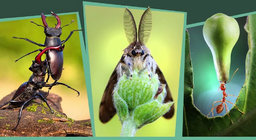
Numerous insects live on tree trunks, in the foliage and on the ground. Let's learn about some species.
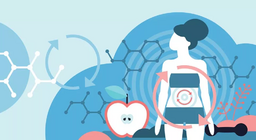
In the body, substances are continiuously absorbed and released.
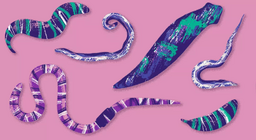
Let's learn about the various types of worms by looking at the characteristics of typical species.
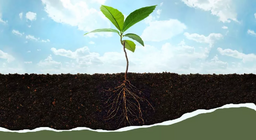
Let's follow the path of water in plants from the roots to the leaves

“Health” and “illness” refer to two opposite states of the body.
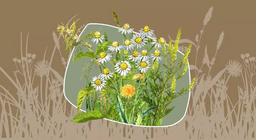
There are plenty of weeds and herbs on fields, agricultural areas and even in carefully tended gardens.
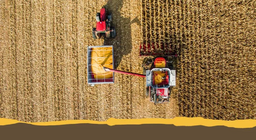
Get to know some of the plants that are grown in agricultural fields.
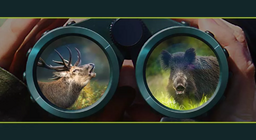
Learn about the red deer and the wild boar, two large animals that inhabit temperate deciduous forests.
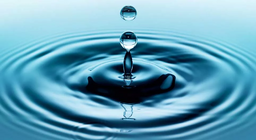
Learn how fluid molecules interact with each other and their environment.
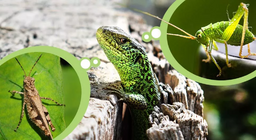
In summer, meadows are full of noisy bugs. Like always, if there are a lot of bugs, there will be a lot of animals feeding on them as well.


In this lesson, you can get to know some interesting facts about flows of fluids and gases.

Romanesque art was a style of medieval art based on classic Roman art.


Nuclear fission is widely used to produce energy. How can it be started and controlled?


The theory of relativity explained like you've never seen before.
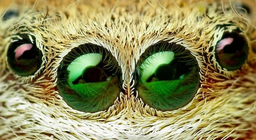
The European garden spider and the castor bean tick live at the shrub level of temperate forests.

In this lesson, you will learn about waterfront plants and what they can be used for.

In this lesson, you can learn about various herbs and spices.

Learn about animals inhabiting rivers, lakes and their shorelines.