Your cart is empty
Total: 2567
/
2396

You will learn how to use the particle 得 and the measure word 次 in conversations.

Learn additional country names, and practise talking about nationalities using an expanded geographical vocabulary.

In this lesson, we will review expressions related to time.

Learn key Chinese characters for countries and languages, and practise asking and answering questions about nationalities.

Learn how to talk about your school in Chinese, and get a basic introduction to the Chinese school system.

Learn how to form negative sentences in Chinese using 不 (bù) and 没 (méi).

In this lesson, you will learn how the regions in China are divided geographically.
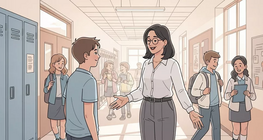
Students can practise greeting teachers and other adults politely.

Students can practise introducing themselves by asking and answering questions about names, family, hobbies and friends.

Students can practise talking about their hobbies and interests in a relaxed, social setting.
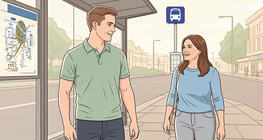
Students can practise asking and answering questions about the time, bus schedules and opening hours.

Students can practise asking for and giving directions to common places.
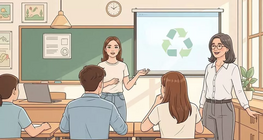
Students can understand and use basic vocabulary to talk about environmental problems.

Students can practise checking in at a hotel, asking about room types, meals and available services.

Students can practise asking for food, prices and quantities in simple sentences.


Students can practise how to start a call, explain a problem, ask for help and end the call politely.

Students can practise asking for and giving information when shopping. They learn how to ask about sizes, prices and special offers politely.

Students can practise taking part in a simple job interview for a part-time position.

Students can practise using different greetings depending on the time of day.
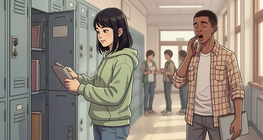

Students will practise talking about how they get to school.