Your cart is empty
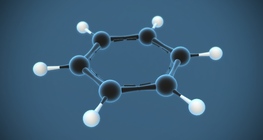
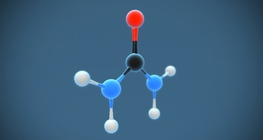
An organic compound in the urine of mammals, used in the production of fertilisers as a source of nitrogen.
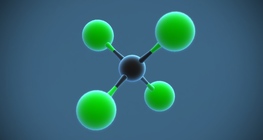
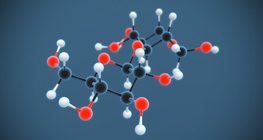
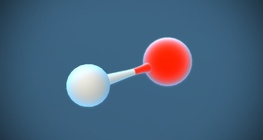
A compound ion formed when a water molecule releases a proton.
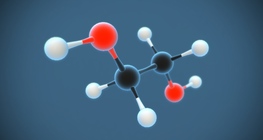
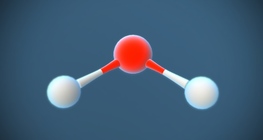
Water is a very stable compound of hydrogen and oxygen, vital for all known forms of life. In nature it occurs in liquid, solid and gaseous state.
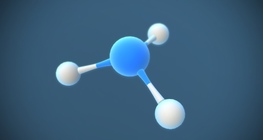
Ammonia is a colourless gas with a characteristic pungent smell. Its solution in water is called ammonium hydroxide or household ammonia.
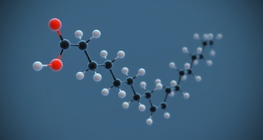
An unsaturated monocarboxylic acid. The molecule contains double bond in cis orientation.

An odourless, yellow, solid substance, the 16th most common in the Earth´s crust. One of the best known sulphur compounds is pyrite, also known as ´fool´s gold´.
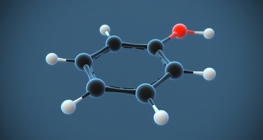
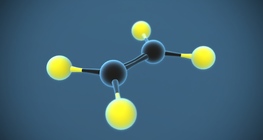
Colourless, odourless gas, the monomer of teflon.
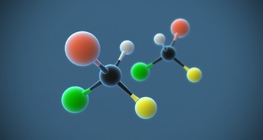
The molecule has two enantiomers: stereoisomers that are mirror images of each other and are not superimposable.
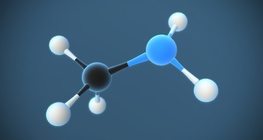
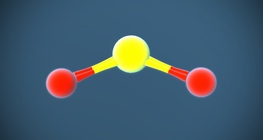
Sulphur dioxide emission is the main cause of acid rains. It is an intermediate product in the production of sulphuric acid.
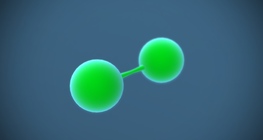
A yellow-green toxic gas with a strong odour, one of the halogens.
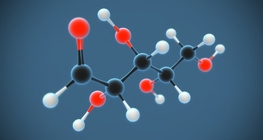
The open-chain version of ribose, which occurs naturally in nucleic acids, coenzymes, nucleotides and nucleosides.
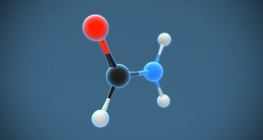
A colourless, slightly viscous, hygroscopic liquid used in the production of formic acid, hydrogen cyanide and other organic compounds.
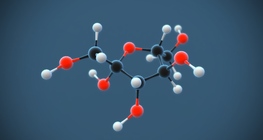
Fructose is the sweetest of the simple carbohydrates.
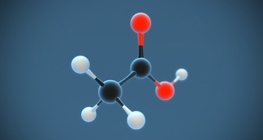
One of the products of the oxidation of ethanol.
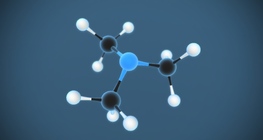
A tertiary amine with a characteristic unpleasant odour, occurring in spoiled food.
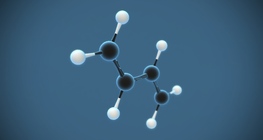
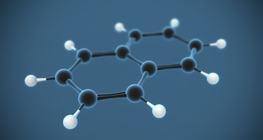
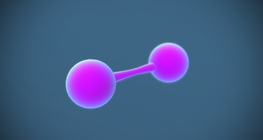
A solid, grey substance which sublimates when heated. Its solution in alcohol is called tincture of iodine, it is a disinfectant.