Your cart is empty
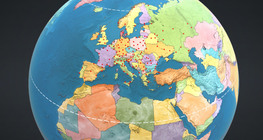
This animation demonstrates the geographical locations of the Earth's major cities.
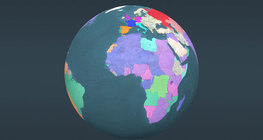
The colonising powers´ colours were wiped off the map by the nations fighting to regain their independence.

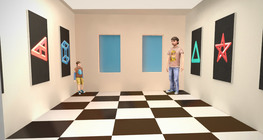
An Ames room is a distorted room that is used to create an optical illusion.
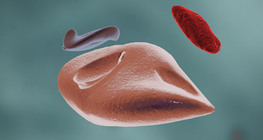
Enzymes are protein molecules catalysing biochemical reactions. Their activity can be regulated.
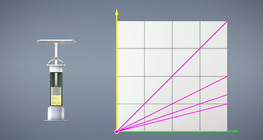
The relationship between the pressure, volume and temperature of ideal gases is described by the gas laws.
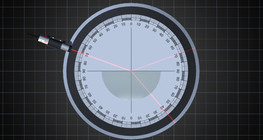
A ray of light is reflected or refracted at the boundary of two mediums with different refractive indices.
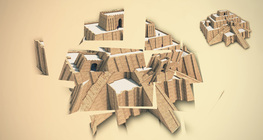
Assemble fragments of broken three-dimensional shapes by rotating the models.
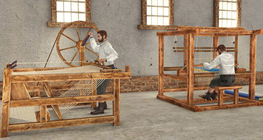
Inventions in the 18th century resulted in huge advances in the development of the textile industry.
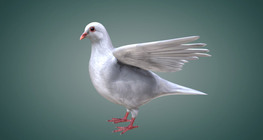
The animation demonstrates the most important types of feathers and their fine structure.
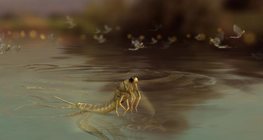
Larvae of this type of mayflies spend the first three years of their lives in water, their adult lives last for only one day which they use for mating.

The statue was donated by the French to the USA for the centenary of gaining independence.
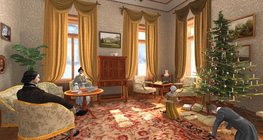
This animation compares a modern living room and a typical bourgeois salon.
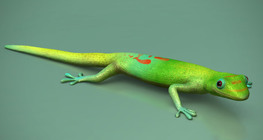
Geckos can walk on walls or even ceilings. The 3D scene explains this ability.
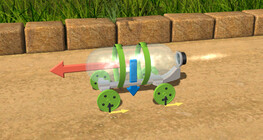
The animation shows the way forces act on wheeled vehicles and vehicles with runners.
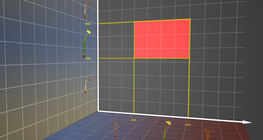
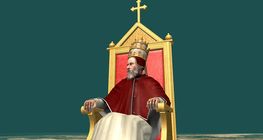
This animation shows the hierarchical structure of the Medieval Christian church.
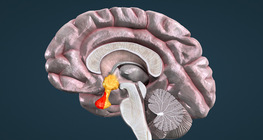
The hypothalamic-pituitary axis is the regulating centre of our endocrine system.
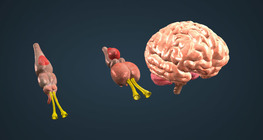
During the evolution of vertebrates the relative development of brain areas has changed.
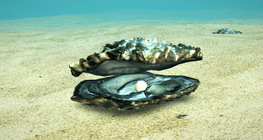
Pearls, often used as gemstones, are the by-products of certain molluscs' protective mechanisms.
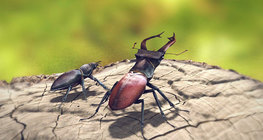
With the example of the stag beetle we demonstrate how insects' muscles function, how insects fly and how they reproduce.
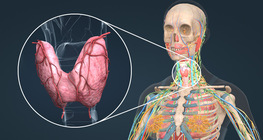
An important endocrine gland producing hormones that affect metabolism and the calcium balance of the body.
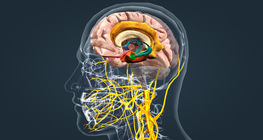
The limbic system plays an important role in forming emotions and in learning.