Your cart is empty
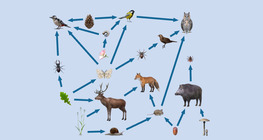
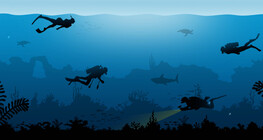
Divers are supplied with special equipment that helps them breathe and swim underwater.
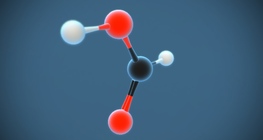
Formic acid is the simplest carboxylic acid.
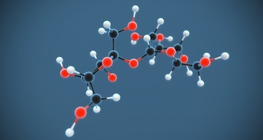
A white, water-soluble, sweet compound known as sugar.
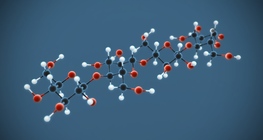
The building material of the cell walls and fibers of plants.
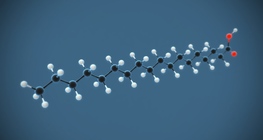
Solid, white substance, a constituent of vegetable oils and animal fats.
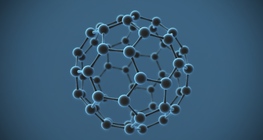
A crystalline allotrope of carbon which was discovered at the end of the 1980s.

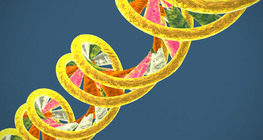
A polynucleotid made up of phosphoric acid, ribose, and nucleobases (cytosine, uracil, adenine and guanine).
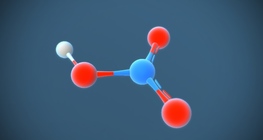
One of the oxoacids of nitrogen. A colorless compound with a pungent odor, a strong oxidant.
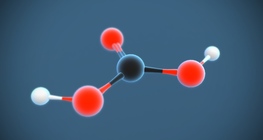
Colourless, odourless liquid produced by dissolving carbon dioxide in water.
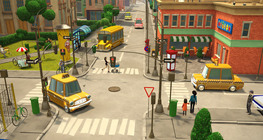
Entertaining and spectacular animation to practise orientation in space.
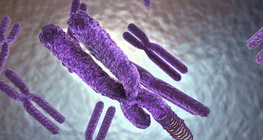
Eukaryotic cells with nuclei measuring only a few micrometres may contain nearly 2 metres of DNA, coiled multiple times.
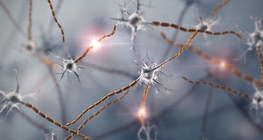
Neurons are cells specialised for transmitting electric signals.
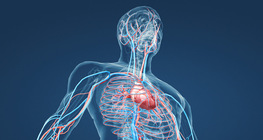
Systemic circulation carries oxygenated blood from the heart to the body, while pulmonary circulation carries oxygenated blood from the lungs to the heart.
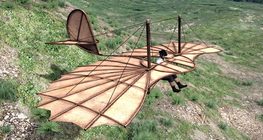
The German engineer Otto Lilienthal was the first person to make successful flights with a glider designed by himself.
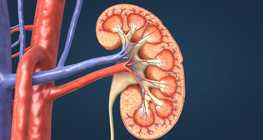
The urinary system serves for the removal of harmful and useless materials from the body.
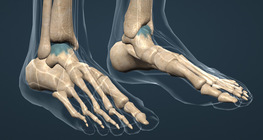
Bones of the lower limbs are connected to the trunk by the pelvic girdle.
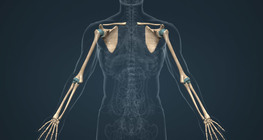
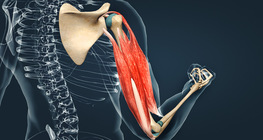
The bones of the upper limbs form the pectoral girdle and the arms.
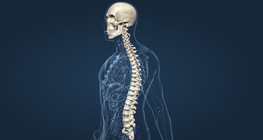
The two main parts of the central nervous system, the brain and the spinal cord are protected by the skull and the spinal column.

A circular, domed, portable tent covered by felt, typically used by nomadic peoples.
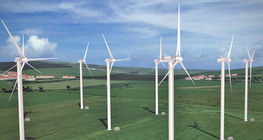
Wind power stations convert the kinetic energy of the wind into electricity.